The Tragic Arc of Walter White
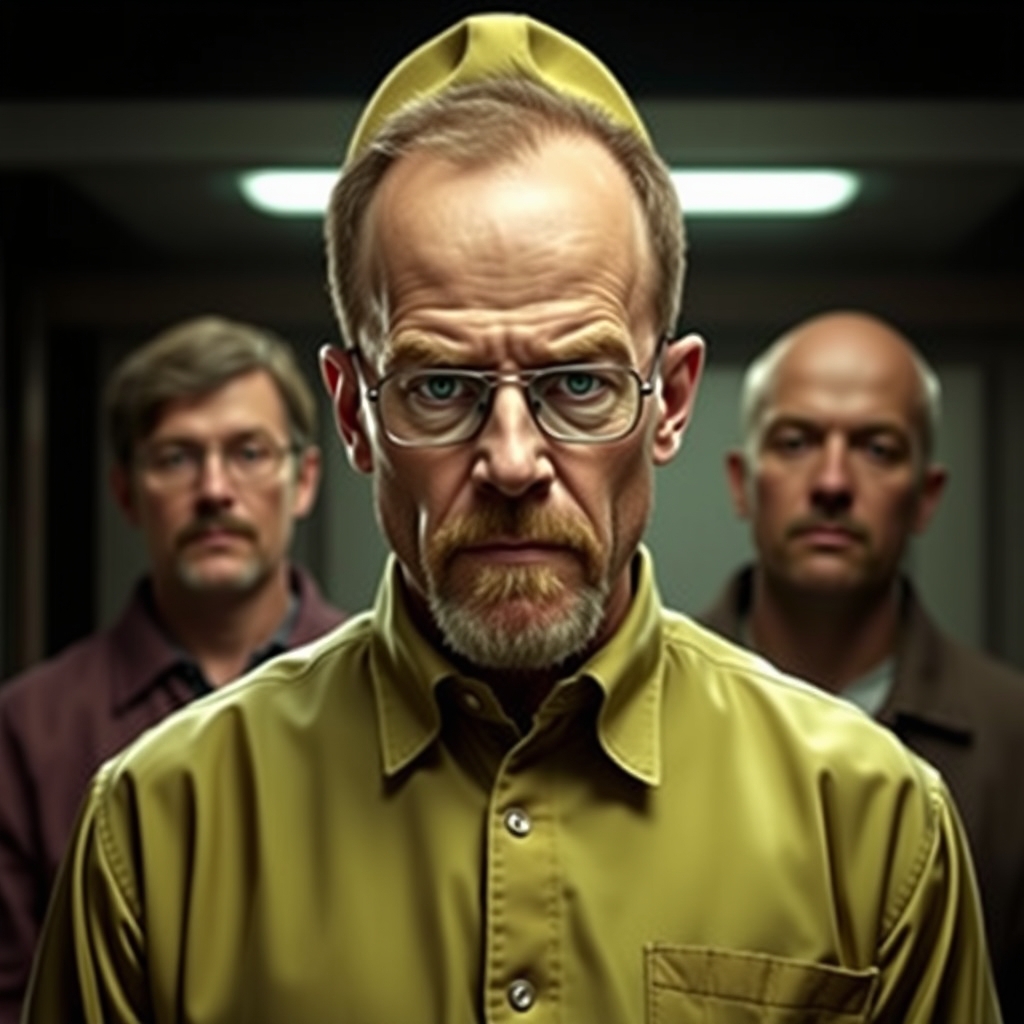
As a long-time fan of Breaking Bad, Walter White's transformation from a mild-mannered chemistry teacher to a ruthless drug kingpin is one of TV's most incredible story arcs. What struck me was how each choice Walt made seemed to push him further away from his initial, seemingly noble intentions. Other viewers, like myself, often wrestled with the contradictory feelings of rooting for his success and cringing at his increasingly violent actions. One episode that stands out is 'Ozymandias,' where the facade of control Walt meticulously built crumbles spectacularly. The episode showcases the depth of Bryan Cranston's acting—every decision, right or wrong, leading to an inevitable conclusion. While fan theories abound about alternate endings or hidden motivations, the reality was that Walt's path was ever spiraling downward, making his story both compelling and cautionary. The show creators Vince Gilligan and Peter Gould meticulously laid out his descent, weaving in subtle hints and foreshadowing that only became apparent upon re-watching. Ultimately, Walter White's character was a masterclass in writing an anti-hero with an ending that sparked endless debates among fans worldwide.

Tony Soprano’s Battle with Inner Demons
The Sopranos gave us Tony Soprano, a character who redefined the modern anti-hero for audiences everywhere. Watching Tony juggle his roles as a mob boss and family man reminded many fans, myself included, of the show's genius in narrative depth. There's an infamous scene where Tony, played by James Gandolfini, is in a therapy session with Dr. Melfi, discussing his panic attacks—moments like these revealed his vulnerability, posing the question: can morality exist within immorality? Another notable aspect was how The Sopranos cleverly integrated music to accentuate Tony’s internal conflicts, reinforcing his complex psyche. For example, the use of Journey's 'Don't Stop Believin'' in the polarizing finale left fans crafting theories about its ambiguous end. The creator David Chase once stated that the show's focus was always about Tony's inner conflict rather than providing a neat conclusion, which remains one of the most hotly debated finales in TV history. To me, Tony's narrative wasn’t just about crime; it was a profound exploration of a deeply flawed individual trying to navigate a world that seemed set against him from the start.
Debated Endings: The Case of Dexter Morgan
Dexter's season finale sparked intense debates among fans. Having followed Dexter Morgan, the beloved 'good guy' serial killer, I found myself torn between the suspense of his dual life and the morality of his actions. Played by Michael C. Hall, Dexter is a character who continually challenges viewers' perceptions of justice. While his victims were often villains themselves, the show's unique twist lies in its portrayal of Dexter's internal struggle with his 'Dark Passenger.' Many fans expressed disappointment with the final season's direction, questioning the logic behind key plot decisions. One prevalent theory that I found echoed amongst fan forums was that the ending, wherein Dexter fakes his death and starts fresh as a lumberjack, felt contradictory to his character development. Yet, it illustrated a poignant theme of loneliness and regret. Throughout the series, Dexter's ultimate contradiction was his yearning for connection while committing acts that sever him from humanity. It's fascinating to see how a show's legacy, especially one like Dexter, often resides in how it both fulfills and defies fan expectations, contributing to its lasting impact on television storytelling.