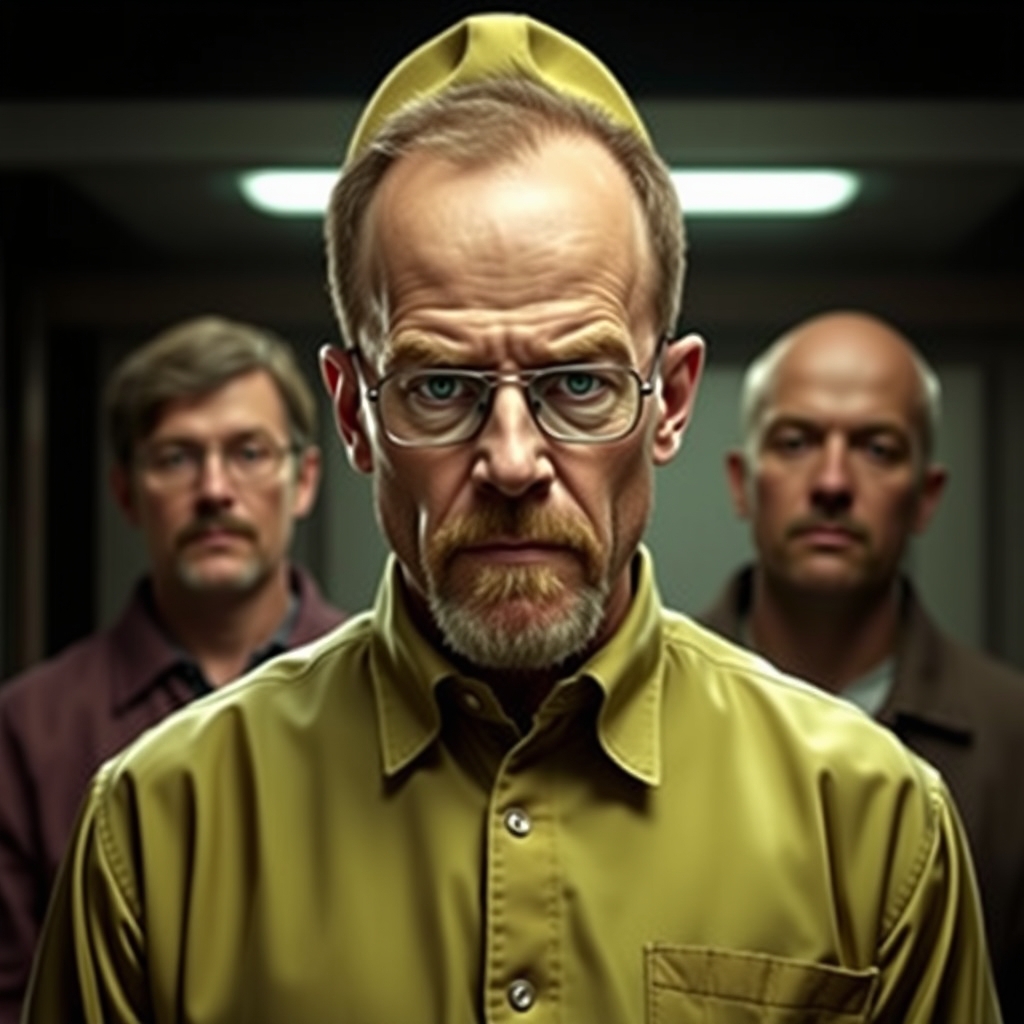
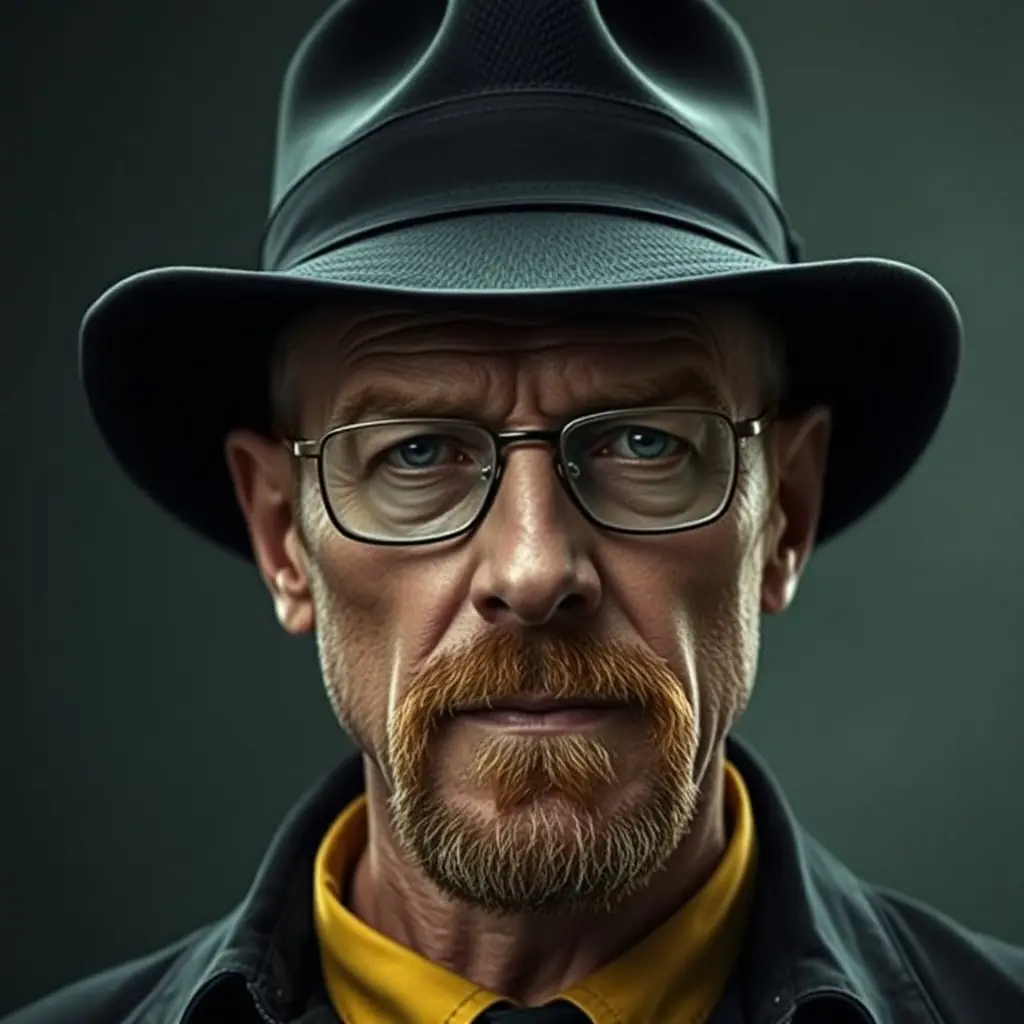
Breaking Down Walter White’s Transformation
Walter White’s journey in 'Breaking Bad' is one of the most compelling character arcs in television history. Initially introduced as a meek chemistry teacher, Walter’s metamorphosis into the feared drug lord Heisenberg is a masterclass in storytelling. Vince Gilligan, the creator, ensured that every detail of Walter’s transformation was believable. From the moment Walter dons that iconic black hat, viewers can sense a shift not just in attire, but in his entire persona. There's something riveting about how a man, pushed to his limits by terminal illness and financial woes, chooses to embrace the darker side of his nature. As someone who’s followed his journey from the pilot episode to 'Felina,' it’s the nuances in Bryan Cranston's performance that resonate. He portrays fear, power, and vulnerability all at once. And it's in episodes like 'Ozymandias' that the weight of his choices becomes palpable, making us question our own moral compass. Fan theories often speculate on alternative endings or what-ifs, but perhaps it’s the mere brilliance of his full-circle journey, closing with poetic justice, that anchors Walter White as a cornerstone in TV character studies.
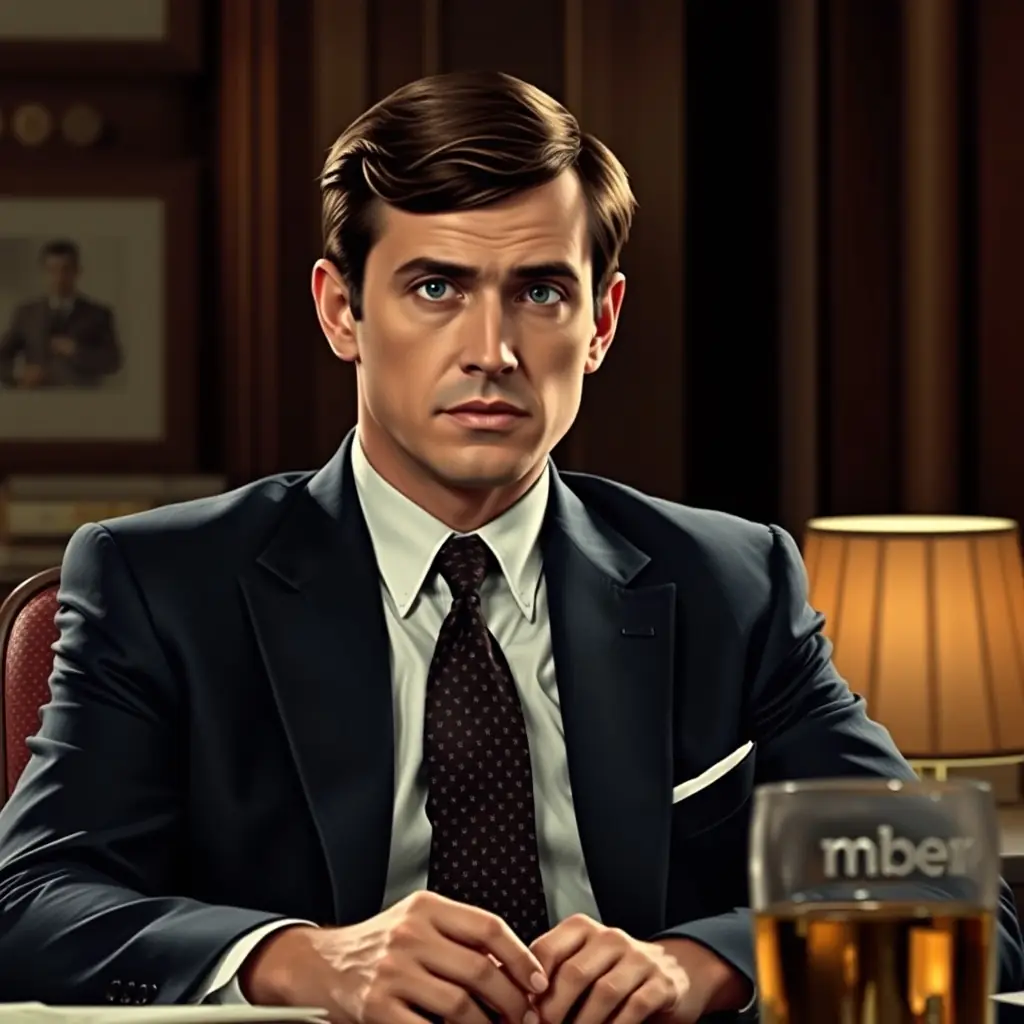
Understanding The Complexity of Don Draper
Don Draper of 'Mad Men' is a character bursting with contradictions. On the surface, he’s the quintessential 1960s advertising man, hailing with charisma and an enviable success streak. But peel back the layers, and you’re met with a deeply flawed individual haunted by past secrets. This duality speaks volumes about the human condition. It’s the nostalgic nods and period piece elements like the ever-present glass of whiskey or the smoky offices that set the perfect backdrop for Draper’s escapades. The writers, led by Matthew Weiner, crafted his backstory meticulously, revealing glimpses through flashbacks rather than exposition dumps. His moments of vulnerability are as impactful as his assured pitches to clients, notably during 'The Carousel' scene in season one—a pivotal moment that peels a layer off Draper demonstrating that his life isn’t as picture-perfect as others might think. Watching Don evolve across seven seasons, confronting his demons against a changing socio-political landscape, resonates because it mirrors genuine struggles individuals face. His eventual decision to seek solace in creativity highlights a redemptive path—or so we hope. To witness his story is to engage with a narrative that thrives on contrast, full of grey areas much like life itself.
The Enigma of Tony Soprano’s Dual World
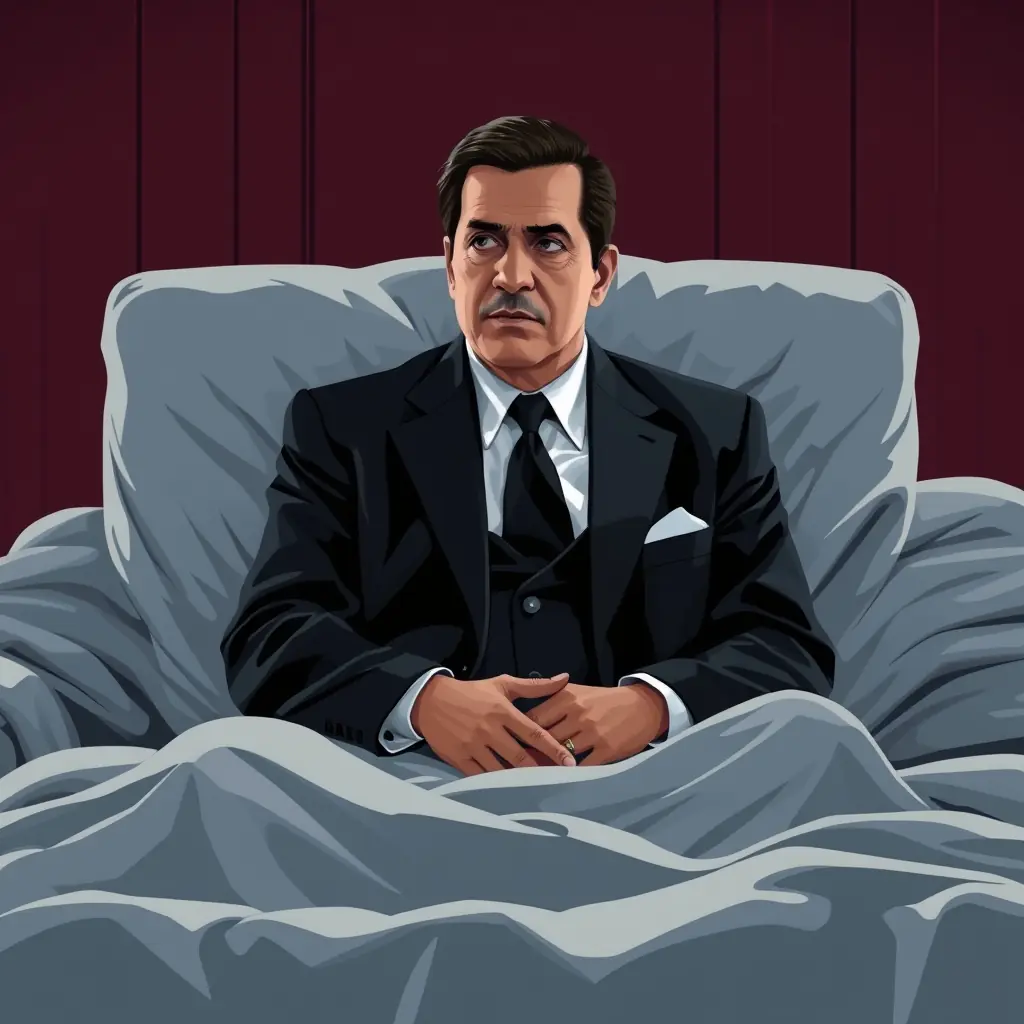
'The Sopranos' presents Tony Soprano as a fascinating juxtaposition—a mafia boss grappling with panic attacks and existential introspection. What sets Tony apart and makes him a subject of intense fandom discussion is this very dichotomy—balancing brutal mobster duties with attempts at family therapy. David Chase crafted Tony's world with a gritty realism, deep-dive therapy sessions interspersed with 'whackings' maintain an intriguing cadence. James Gandolfini’s portrayal captures this essence, oscillating between raw authority and delicate vulnerability. The dialogue in those therapy sessions with Dr. Melfi often reveal unspoken truths about power and control. Tony’s relatability lies in his flawed human condition; he’s not a one-dimensional villain but is instead portrayed with empathy and conflict. The show's debated cut-to-black ending left fans buzzing for years, fueling countless theories and discussions. Was Tony’s fate sealed, or did Chase intend for the story to end in ambiguity? From the meat spreads at Satriale’s to Tony’s robe-clad backyard musings, each scene immerses us deeper into the life of a man embodying duality. Following his arc is an experience akin to critically analyzing an intricate novel—one with layers only fully appreciated with each rewatch.