Walter White: From Mr. Chips to Scarface
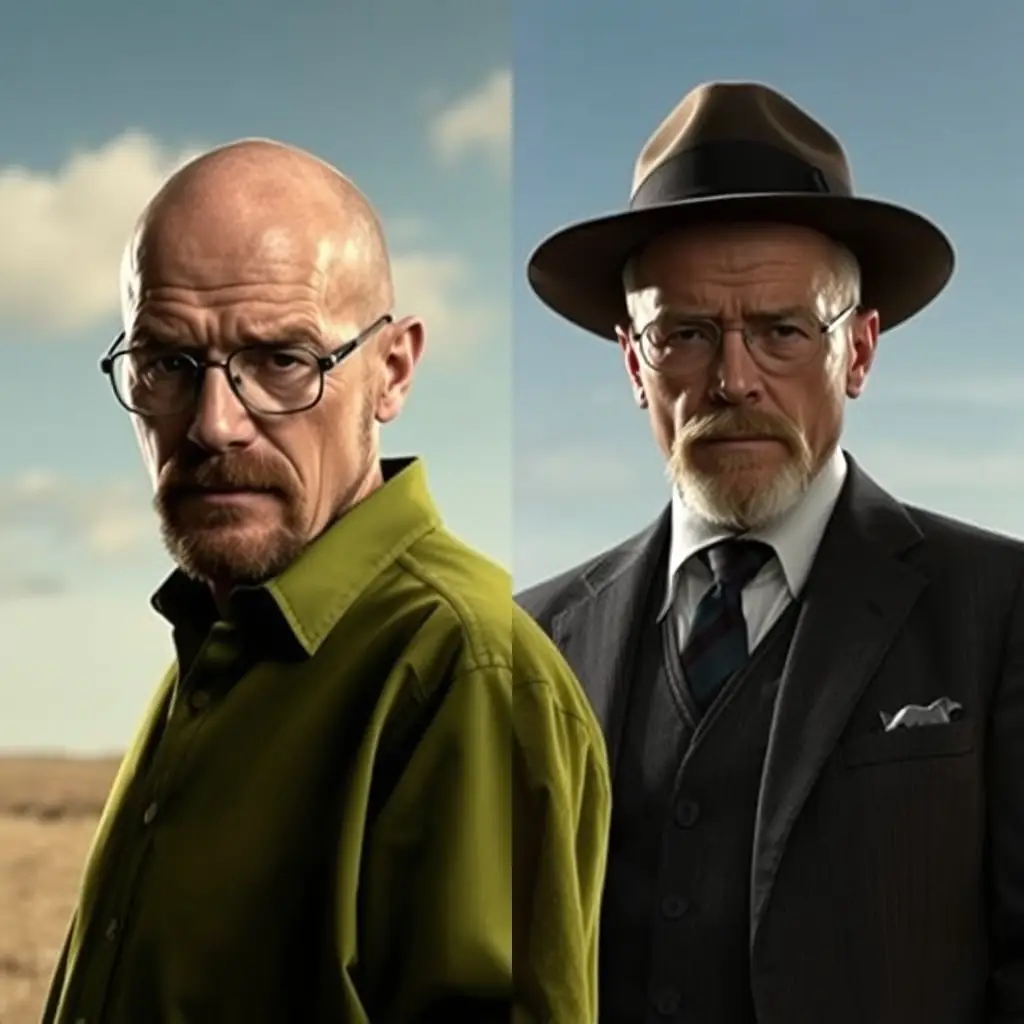
The journey of Walter White in 'Breaking Bad' is a masterclass in character development. As a high school chemistry teacher turned ruthless drug kingpin, Walter's transformation kept audiences gripped. I still remember the palpable tension as he uttered the iconic line, 'I am the one who knocks.' It was a stark turning point that marked his descent into darkness. Those early episodes cleverly showcased his initial good intentions slowly giving way to ego and desperation. Fans have often debated whether his transformation was always inevitable or if it was purely circumstantial. One fan theory suggests that every major character in 'Breaking Bad' represents a different sin – pride, greed, wrath, and so on – with Walter embodying pride. The beauty of this arc is its subtlety; no single moment defines Walter. Instead, it's a series of choices, each darker than the last. The ending? A brilliant culmination where viewers were left questioning whether they should root for or despise him. This dual nature is what cements Walter White as one of the most fascinating characters in television history.
The Many Faces of Tony Soprano
'The Sopranos' gave us Tony Soprano, a character as complex as the plots he orchestrated. Balancing the duality of his criminal empire and family life, Tony's struggles with his mental health added layers that resonated deeply with viewers. I often found myself wondering how he could attend therapy while ordering a hit the next moment. This contradiction fueled countless fan theories. Did therapy exacerbate his predatory instincts by allowing him to rationalize his actions? Or was it his only salvation in a world of violence and deception? The ambiguous ending has spurred debates for years. The sudden cut to black left us questioning Tony's fate, the artistry of David Chase concluding things on a note of ambiguity that embraced the show's complex themes. Many fans hunt for clues, like the mysterious orange cat often being interpreted as an omen of death. In hindsight, Tony's journey is much like a Shakespearean tragedy – a mix of power and vulnerability that led to an inevitable downfall.
Daenerys Targaryen: Her Destined Rise and Fall
Daenerys Targaryen's arc in 'Game of Thrones' stands out as one of the most debated in TV history. Watching her grow from an outcast to a formidable queen was awe-inspiring. I cheered when she freed slaves and conquered cities. Her journey showcased empowerment, with fan theories evolving alongside each pivotal moment. Many speculated early on about her potential descent into madness, drawing parallels with her father's infamous insanity. Her transformation culminated in her fateful decision to unleash fire upon King's Landing, a moment that divided audiences worldwide. While some saw it as a betrayal of her character, others recognized the foreshadowed inevitability of her choices leading to tyranny. This radical shift sparked intense discussion about the nature of power and its corrosive effects. The controversial finale prompted passionate debates about storytelling and character consistency, yet one fact remains – Daenerys' journey from hero to villain keeps 'Game of Thrones' discussions alive long after the last episode aired.